
Services
Lifestyle & Independence Support

Lifestyle & Independence Support
Building the skills and confidence to live life on your own terms.
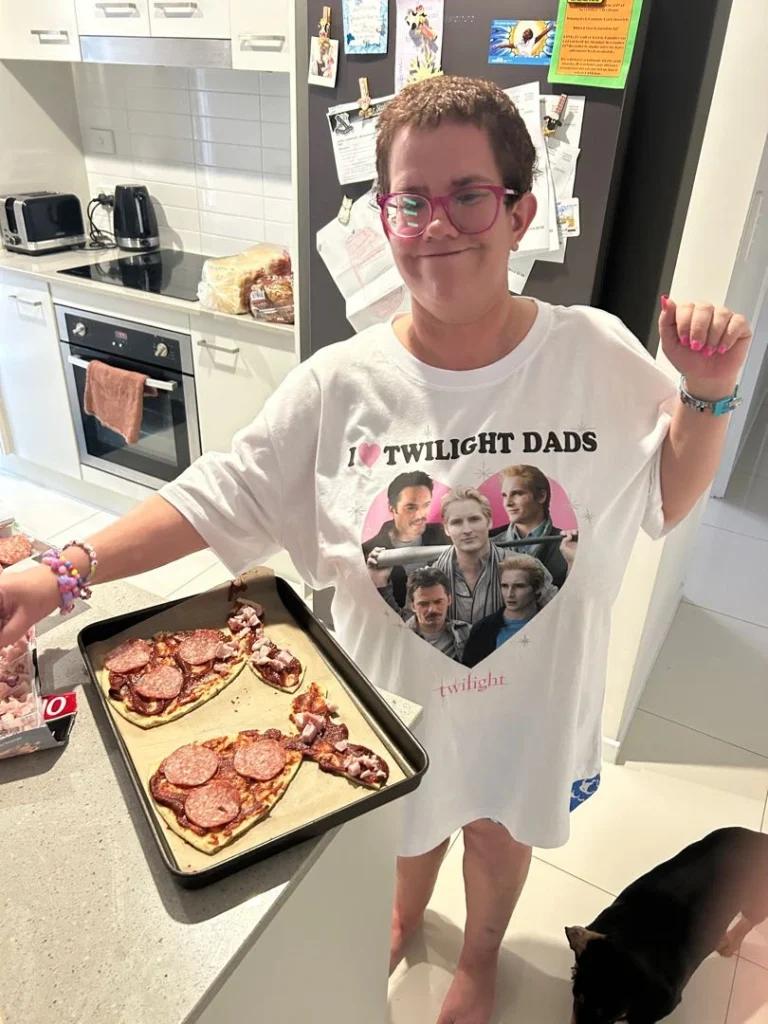
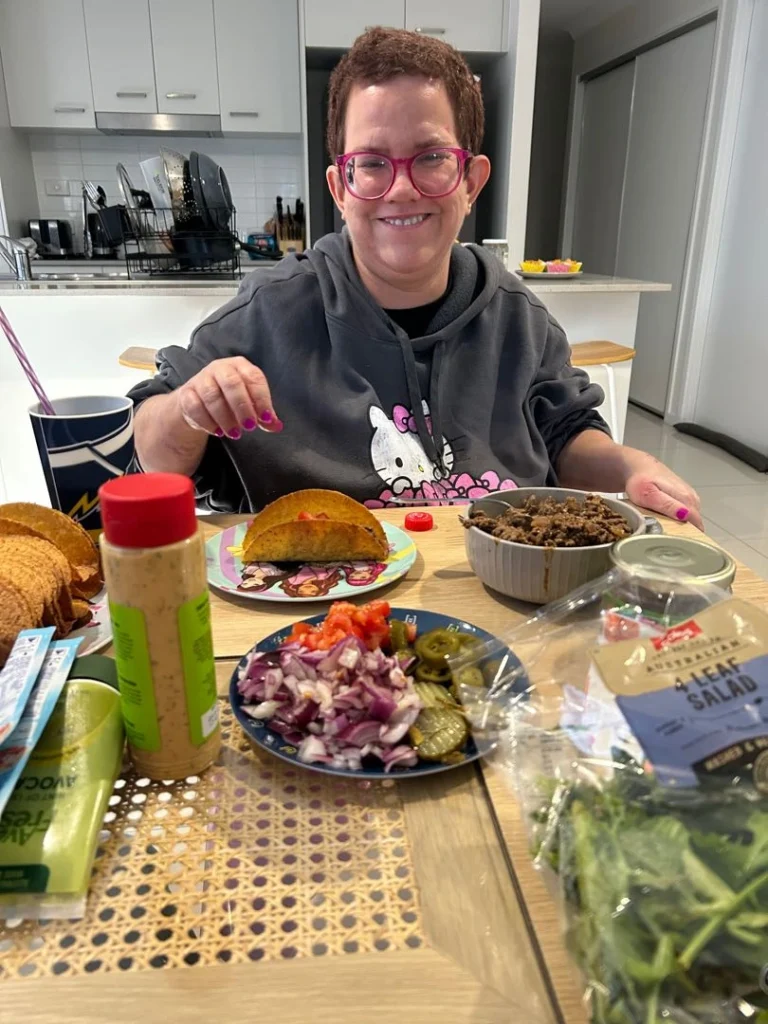
Independence looks different for everyone. For some it means learning to cook a meal or catch public transport. For others it means managing a weekly routine, building social connections, or taking on new challenges that once felt out of reach.
Whatever independence means to you, we’re here to help you get there at your pace, in your way, with genuine support every step of the journey.
Services
Life Skills Development
Life skills are the building blocks of independence. We work with participants to develop the practical, everyday skills that make living more independently feel achievable and sustainable not overwhelming.
We can work with you on a wide range of practical skills including cooking and nutrition, budgeting and money management, household organisation and cleaning, personal hygiene and self-care routines, managing appointments and correspondence, using technology, and any other skills that support greater independence in your daily life. We start where you are and build from there.
Standard in-home support involves assisting you with tasks directly. Life skills support is about working alongside you so that over time you can do more of those things yourself. The focus shifts from doing to teaching and building confidence. Both are valuable and many participants benefit from a combination of the two.
We start by having a proper conversation about your goals what you want to be able to do, what’s getting in the way, and what would make the biggest difference to your daily life. From there we build a plan that’s practical, realistic, and genuinely focused on what matters to you.
Services
Social Skills & Community Confidence
Feeling confident out in the community is just as important as any practical skill. We support participants to build the social skills and community confidence that help them connect with others, engage in everyday situations, and feel genuinely comfortable in the world around them.
It can look like a lot of different things depending on the person. For some participants it involves practising conversations and social interactions in everyday settings. For others it might be building the confidence to join a group activity, navigate a shopping centre, or speak up for themselves in appointments and meetings. We tailor the approach to you.
Yes. Social isolation is a real challenge for many participants and we take it seriously. We can support you to explore social programs, community groups, and activities where you can meet people with similar interests, and we’ll be there alongside you until you feel comfortable on your own.
We understand that social confidence doesn’t come easily for everyone. We never push you into situations you’re not ready for. We work at your pace, start with situations that feel manageable, and build from there as your confidence grows.
Services
Transport & Getting Around Independently
Getting from place to place independently opens up an enormous amount of freedom. We help participants learn to navigate their local area safely and confidently, whether that’s using public transport, learning familiar routes, or understanding how to plan a trip on their own.
Yes. We can work with you on learning bus, train, and ferry routes, understanding timetables, purchasing tickets, and building the confidence to travel independently. We start by travelling with you and gradually step back as your confidence and skills grow.
That’s completely fine. We provide supported transport for participants who are not yet at the stage of travelling independently, and we’ll work with you toward that goal at a pace that feels right for you. There’s no pressure and no timeline imposed from the outside.
Absolutely. Transport support often goes hand in hand with community access, social programs, and appointments. We can combine supported transport with other activities as part of a broader support plan.
Services
Goal Setting & NDIS Plan Support
Your NDIS plan is built around your goals, and so is everything we do. We work with participants to understand what they want to achieve, break those goals down into manageable steps, and provide the support needed to make real progress — not just on paper, but in real life.
We start by getting to know your goals properly — not just the ones written in your plan, but the ones that actually matter to you day to day. From there we build support activities that are directly tied to making progress on those goals, and we check in regularly to make sure things are moving in the right direction.
Goals change and that’s completely normal. As your life changes, your support should change with it. We review your goals regularly and adjust your support plan to make sure it stays relevant and genuinely useful to you.
Yes. We can help you document your progress, identify new goals, and think through what supports you’ll need in your next plan period. Being well prepared for a plan review can make a real difference to the outcome, and we’re happy to support you through that process.
About Us
Who We Are at Angels On Duty
Angels On Duty was built on the belief that support should feel human, warm, and genuinely personal. We’re a team of passionate, experienced support workers committed to delivering care that empowers people to live confidently, comfortably, and with dignity.
FAQ's
Frequently Asked Questions
How do I know if I have lifestyle and independence funding in my NDIS plan?
Look for Capacity Building supports in your plan, particularly under Improved Daily Living or Improved Learning. If you’re not sure what’s available, speak with your support coordinator or contact our team and we’ll help you work it out.
Is this support suitable for younger participants?
Absolutely. Lifestyle and independence support is particularly well suited to younger participants who are working toward greater independence as part of their transition into adult life. We tailor everything to the individual regardless of age.
What if I just want to try it and see how it goes?
That’s a great approach. You don’t need to have everything figured out before you start. Get in touch, have a conversation with our team, and we’ll help you identify a good starting point based on where you’re at right now.
Can I combine lifestyle support with other Angels On Duty services?
Yes. Many of our participants access a combination of services including in-home support, community access, and lifestyle and independence support. We coordinate everything so your support feels cohesive and consistent rather than fragmented.
Do you work with allied health professionals as part of this support?
Yes. We work alongside occupational therapists, speech pathologists, physiotherapists, and other allied health professionals to make sure your lifestyle and independence support is consistent with the broader recommendations in your care plan.